

Optimizing open living areas with functional and stylish raumteiler wohnflächen. Expert insights on privacy, flow, and material choices.
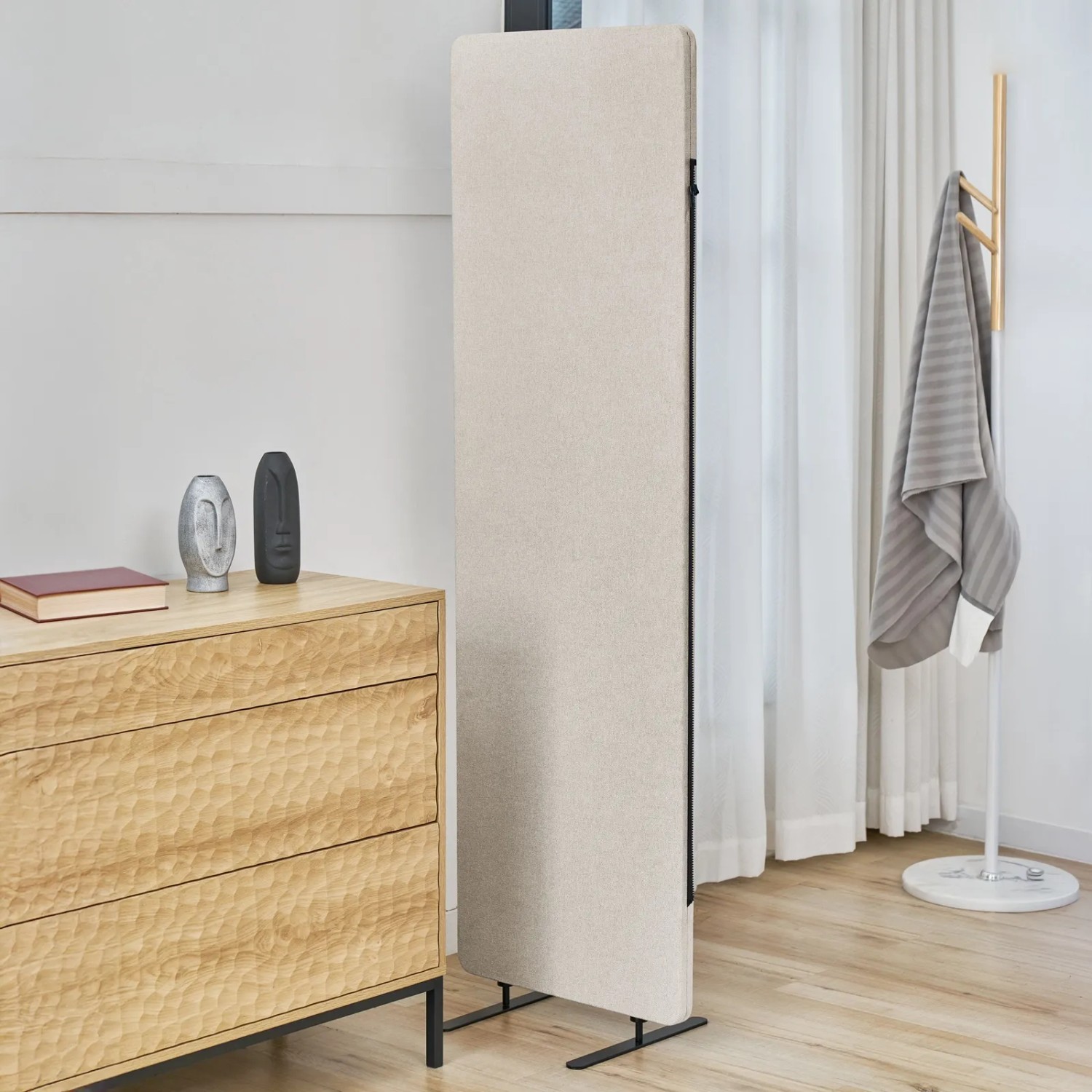
Open-plan living offers tremendous freedom and a sense of spaciousness. However, this layout also presents challenges related to privacy, noise, and defining distinct zones. Over my years working with residential interiors, particularly in the US market, I’ve seen how effectively chosen room dividers, or raumteiler wohnflächen, can address these issues without sacrificing the openness. The goal is to create defined areas that support various activities while maintaining visual continuity and light flow. It’s about smart spatial planning, not just putting up a barrier.
Overview
- Raumteiler wohnflächen are essential tools for segmenting open living areas without permanent construction.
- They provide flexible solutions for privacy, noise reduction, and zone definition.
- Material selection significantly impacts a divider’s functionality, aesthetics, and light transmission.
- Dividers can be fixed, movable, or integrated into furniture, offering diverse applications.
- Effective room division supports various activities, from work to relaxation, within a single space.
- Considerations include light distribution, visual interest, and the overall design language of the home.
- Well-chosen dividers enhance both the practicality and the style of modern living environments.
Practical Applications of raumteiler wohnflächen in Modern Homes
From my perspective, the most common need for raumteiler wohnflächen arises from the desire to multitask within an open area. Many clients want a home office that doesn’t feel isolated, or a dining space separate from the main living room. Acoustic panels on sliding tracks are excellent for mitigating sound, especially in a busy family home. They can be pulled shut for focused work or opened completely when entertaining guests. This flexibility is key to modern living.
Another frequent application involves creating an entryway or a more defined foyer in homes that open directly into the living room. A decorative screen or a tall shelving unit can subtly delineate this transition zone. It prevents guests from seeing the entire home immediately upon entry, adding a layer of intimacy. I often recommend modular shelving systems that allow for display on one side and storage on the other. This dual functionality is incredibly practical. For instance, in many US apartments, a well-placed divider can make a studio feel like a one-bedroom, offering much-needed personal space.
Aesthetic Impact of Dividers in Open Spaces
Beyond their practical benefits, room dividers play a crucial role in the visual appeal of an open living area. A well-designed divider acts as an architectural feature. It can introduce texture, color, or a unique pattern, becoming a focal point. Think about intricately carved wooden screens, or metal frameworks with frosted glass inserts. These elements add character and depth to a room that might otherwise feel vast and undefined.
The choice of material and design should always complement the existing interior style. A minimalist space might benefit from sleek, translucent panels that offer division without visual weight. Conversely, a bohemian or eclectic design could incorporate textile hangings or repurposed antique doors. My experience shows that custom-built dividers, tailored to a specific space, always yield the most cohesive and appealing results. They integrate seamlessly, looking like an intentional part of the home’s architecture rather than an afterthought.
Choosing Materials for raumteiler wohnflächen
The material selection for raumteiler wohnflächen directly influences their function and aesthetic. Wood remains a popular choice for its warmth and versatility. Sliding barn doors made from reclaimed wood, for example, offer a rustic yet contemporary division. Metal screens, often with laser-cut patterns, introduce an industrial or modern edge. They provide visual separation while allowing light and air to pass through.
Glass, whether clear, frosted, or textured, is ideal for maintaining brightness. I’ve frequently used frosted glass panels in small open areas where natural light is precious, as they ensure privacy without blocking light. Fabric panels, from heavy drapes to lightweight sheer curtains, offer a soft, adaptable solution. They can be easily changed to update a room’s look. For a practical approach, I often guide clients towards materials that are durable and easy to maintain, especially in high-traffic areas or homes with children and pets. This ensures longevity and continued satisfaction with the spatial solution.
Integrating raumteiler wohnflächen for Flow and Function
Successfully integrating raumteiler wohnflächen requires careful planning to maintain a natural flow within the home. The divider should guide movement, not obstruct it. I always start by observing how clients typically use their space. For example, if a dining area needs to feel distinct but still connected to the kitchen, a low console table or a half-height wall can serve as an effective yet unobtrusive divider. This allows for conversation and light transmission while visually separating the functions.
Portable screens or folding panels offer maximum flexibility, allowing quick reconfigurations of the space for different activities or numbers of guests. For example, in a multipurpose room, a large folding screen might be used to section off a yoga space during a morning routine and then folded away for evening entertainment. The key is to select dividers that support the varied rhythm of daily life. Well-placed dividers enhance the utility and comfort of any open-plan layout, making spaces work harder and smarter.


